


Most of our daily decisions do not happen in calm silence. They happen between messages, deadlines, family needs, and inner tension. We answer too fast, agree too soon, postpone what matters, or react from habit. Then, later, we wonder why the day felt out of alignment.
Micro-reflections offer a different path. They are short pauses of conscious attention that help us notice what is happening before a choice turns into action. They do not require a retreat, a long journal session, or a perfect mood. They ask for seconds, sometimes a minute. That is all.
Micro-reflections are brief moments of awareness that help us choose with more clarity in real time.
In our experience, this small practice can change the tone of a day. We have seen it happen in simple scenes. A person is about to send a harsh reply, pauses, reads the message again, and notices hurt under the anger. A manager is close to saying yes to one more demand, stops, checks capacity, and gives a more honest answer. A parent feels impatience rising, breathes once, and chooses presence over control.
Small pauses change big outcomes.
Why small pauses matter
Many poor decisions are not caused by bad intent. They come from speed, inner noise, and automatic behavior. When we are tired, rushed, or emotionally charged, we tend to confuse impulse with truth. A micro-reflection interrupts that pattern.
It helps us move from reaction to response. That shift may sound modest, but it affects relationships, work quality, self-respect, and long-term trust.
A useful micro-reflection often brings three things into view:
- What we are feeling right now
- What story we are telling ourselves about the situation
- What consequence may follow if we act without checking ourselves
When these three points become visible, even for a moment, our decisions become less mechanical. We begin to act with more coherence.
What micro-reflections look like in daily life
We do not need to turn them into a dramatic ritual. In real life, they are quiet and direct. They fit between one moment and the next.
Some common examples include pausing before replying to a difficult email, checking our motive before saying yes, or asking whether a decision matches our values before taking the next step.
A good micro-reflection is short, honest, and tied to an immediate choice.
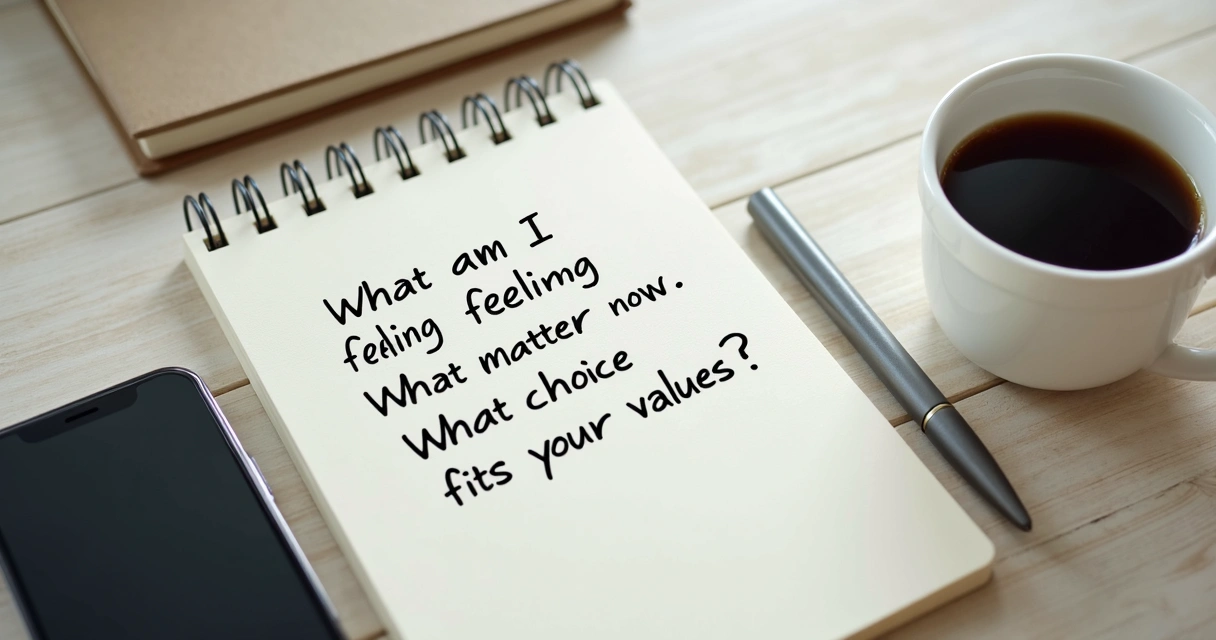
We think the best ones are built on simple questions. Not many. Just enough to create a clear internal stop.
Questions that often work well include:
- What am I feeling right now?
- Am I reacting or choosing?
- What matters most in this moment?
- Will this choice create peace or regret later?
- Is this answer true, kind, and firm enough?
These questions are not there to slow life down too much. They are there to stop avoidable damage.
How to build the habit
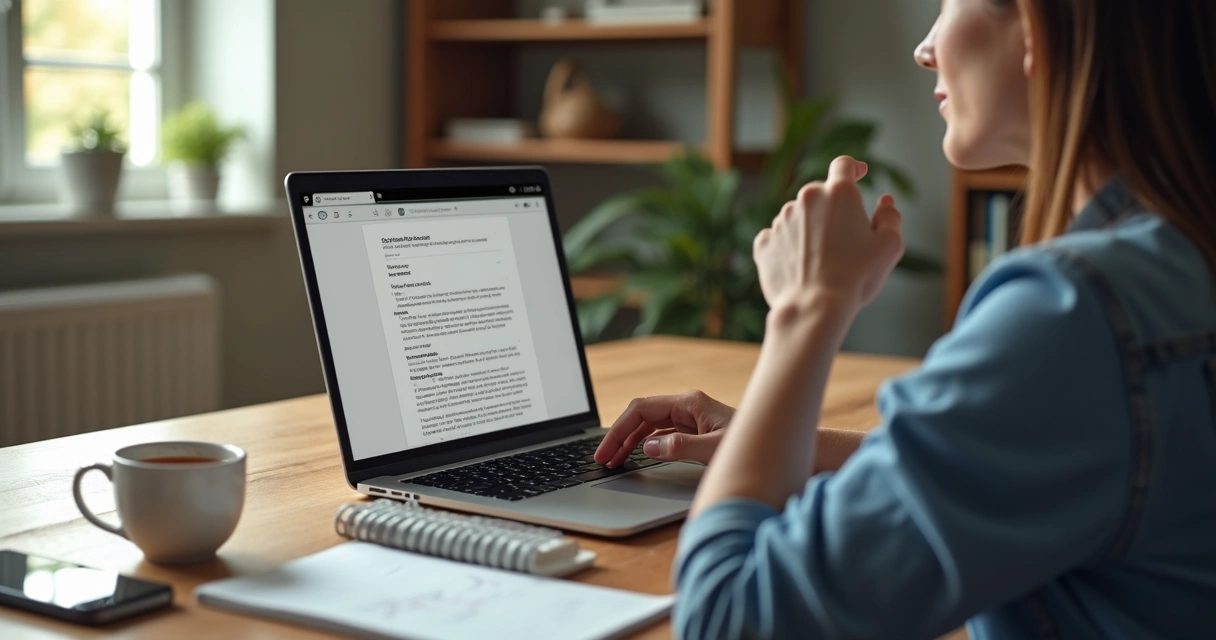
One reason people give up on reflective practices is that they try to make them too large. If a method feels heavy, we abandon it. Micro-reflections work because they can live inside ordinary routines.
We can attach them to moments that already repeat during the day. This makes the practice more natural and less forced.
A simple way to begin is to connect them to these situations:
- Before sending a message with emotional weight
- Before accepting a new commitment
- After receiving criticism or unexpected feedback
- Before entering a meeting or difficult conversation
- At the end of the workday, before shifting into home life
What matters is not the number of times. It is the consistency. One honest pause each day has more value than ten rushed attempts that mean nothing.
We also find it helpful to keep one anchor question for the week. For example: “What is driving my choice right now?” Repeating the same question creates familiarity, and familiarity lowers resistance.
How micro-reflections improve decision quality
Better decisions are not always bigger decisions. Often, they are cleaner decisions. They carry less confusion, less hidden fear, and less contradiction.
Micro-reflections improve decision quality because they help us notice patterns that usually stay hidden in the rush. We may catch ourselves trying to please, avoid conflict, prove worth, or defend ego. Once seen, these motives lose some of their control.
When we name the inner state behind a decision, we reduce the chance of being ruled by it.
This is where the practice becomes deeply practical. A brief pause can help us:
- Set a boundary without guilt
- Delay a response until we are calmer
- Speak with honesty instead of tension
- Choose the next right step when the full path is unclear
We have often noticed that people do not regret every hard decision. They regret the ones made while disconnected from themselves.
Common mistakes to avoid
Like any reflective tool, micro-reflections can lose force when misused. The goal is not to think forever. The goal is to think just enough to act with awareness.
Some mistakes appear often:
- Turning a short pause into overthinking
- Using reflection to avoid action
- Asking vague questions that lead nowhere
- Expecting every pause to bring a perfect answer
- Being honest about facts, but not about feelings
There is a difference between awareness and hesitation. A micro-reflection should bring direction, even if that direction is simply, “Not now. I need ten minutes.”
Once, after a tense conversation, one of us wrote just seven words in a notebook: “I was defending image, not solving truth.” It was uncomfortable. It was also freeing. The next conversation went better because the inner posture had changed first.
Making the practice sustainable
If we want micro-reflections to stay with us, we should keep them plain. No pressure. No performance. No need to appear wise.
We can make the practice sustainable by choosing one setting, one question, and one daily trigger. That is enough to start. Over time, the pause becomes part of our character. We begin to notice more quickly when emotion is taking the lead. We return to center with less struggle.
This is not about becoming slow or distant. It is about becoming present while life is still moving. There is strength in that.
Conclusion
Micro-reflections help us live closer to what we know is right, even in ordinary and pressured moments. They create a small space between feeling and action, and inside that space we often find better judgment, steadier language, and cleaner choices.
We do not need an hour of silence to change a day. Sometimes we need ten honest seconds. If we practice these pauses with sincerity, our decisions begin to reflect not just urgency, but awareness.
Pause first. Then choose.
Frequently asked questions
What is a micro-reflection?
A micro-reflection is a very short pause used to check thoughts, feelings, motives, or likely consequences before acting. It usually lasts a few seconds or a minute and helps us respond with more awareness.
How do I practice micro-reflections daily?
We can practice them by attaching them to repeated moments, such as before sending a message, entering a meeting, or saying yes to a request. Choose one short question and use it at the same trigger each day until it becomes natural.
Are micro-reflections effective for decision making?
Yes, they can be very effective because they interrupt automatic reactions. They help us notice emotion, pressure, and hidden motives before a choice becomes action, which often leads to calmer and more coherent decisions.
When should I use micro-reflections?
They are most useful in moments of tension, speed, or uncertainty. We can use them before difficult conversations, after upsetting feedback, when setting boundaries, or anytime we feel pushed to react too fast.
What are common mistakes with micro-reflections?
Common mistakes include overthinking, using reflection to avoid action, asking vague questions, and expecting instant certainty. The practice works best when it stays brief, honest, and connected to a real decision.