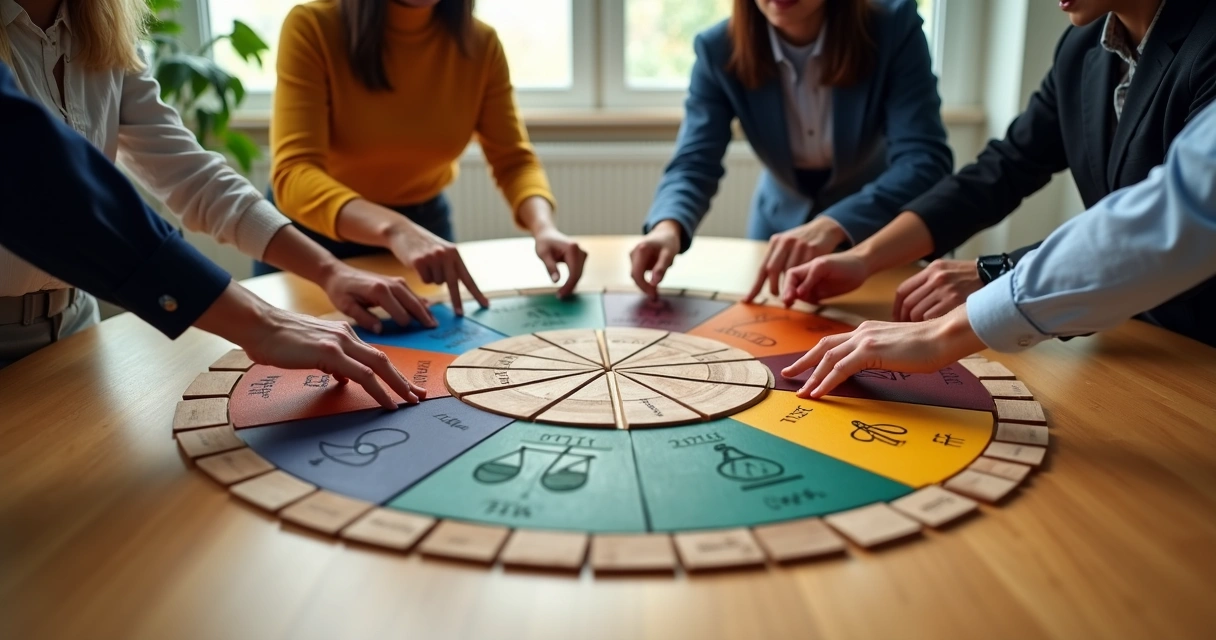


Psychological safety is something we hear about more and more in the conversation about modern teamwork. When we think of a team where everyone can share, question, and disagree freely, without worry, we are picturing psychological safety in action. In our view, creating this kind of working environment doesn’t just happen—it is a result of consistent, practical steps. So, how can we foster such safety in today’s ever-evolving teams?
Understanding psychological safety in today’s setting
We see psychological safety as a shared belief that it’s safe to take interpersonal risks, such as raising ideas, sharing feedback, or admitting mistakes, within a team. This isn’t about creating comfort or avoiding struggle—it’s about making sure that each person feels heard and respected, even when opinions clash. When we talk to teams, they often mention that safety isn’t just about kindness; it’s about trust and clarity.
Speak up. Be heard. Grow together.
Below, we walk through seven practical ways we have found valuable for building this environment—steps any team can take, starting now.
1. We encourage open conversation and active listening
When we look into teams struggling with trust, the common factor we find is the absence of real listening. It sounds simple, but giving each person uninterrupted space to speak is rare. We invite team members to finish their point before we respond. In meetings, we ask open questions (“What are your thoughts on this?”) and allow pauses for quieter voices to join in. Active listening goes beyond nodding—it’s about checking for understanding and reflecting back what was said.
- Hold regular check-ins where everyone can share thoughts.
- Focus on listening without planning your reply.
- Show through words and gestures that contributions are valued.
Active listening is the root of all genuine communication.
2. We normalize feedback, mistakes, and learning
We frequently notice that fear of making a mistake can freeze a team. Mistakes tend to be swept under the rug out of fear. We actively model acknowledgment of our own errors and encourage others to do the same, without blame. Regular retrospectives, where the goal is shared learning instead of finger-pointing, help normalize this approach. We remind our teams that feedback is about growth, not criticism, and create a routine space for peer-to-peer appreciation as well.
Every mistake quietly improves the team that learns from it.
3. We display vulnerability and authenticity as leaders
In our experience, leaders set the emotional temperature of a team. When leaders try to appear flawless or distant, others follow suit—closing off honest conversations. We believe openly sharing doubts, mistakes, and lessons learned makes it acceptable for others to do the same. Phrases like “I don’t know yet, but I’m learning” or “That was a hard week for me” send a clear signal that everyone, whatever their level, is on a journey. Authenticity builds real connections.
The way we show up shapes the way our teams respond.
4. We clarify goals, roles, and expectations
Ambiguity can make teams anxious. We see teams thrive when everyone knows the team’s shared purpose, each person’s role, and how success is measured. In practice, this means keeping project goals visible and being specific about individual and group responsibilities. When someone’s role shifts, we explain why. When a disagreement arises, we return to shared values and goals. This transparency helps prevent misunderstandings from turning into personal conflict.

5. We address and include diverse perspectives
Teams are stronger when they welcome different points of view. We regularly ask, “Who hasn’t spoken yet?” or “Does anyone see this differently?” We never assume agreement is universal. By inviting disagreement and healthy debate, we signal that dissent is not only accepted—it’s valued. Sometimes, we introduce structured frameworks for debate so that different voices have equal space.
- Rotate meeting facilitators to share influence.
- Offer anonymous ways to give input for those who are hesitant.
- Highlight decision-making processes so all perspectives are considered.
6. We address unkindness or violations of safety swiftly
Teams sometimes shy away from addressing negative dynamics, hoping they will resolve themselves. In our view, ignoring harsh comments or dismissive behaviors erodes trust quickly. We coach teams to intervene early and directly, but with respect. If someone is interrupted, we acknowledge it and bring the conversation back. If team dynamics slip, we return to the team’s agreed norms and remind each other of the standards.
Small corrections now prevent bigger problems later.
Addressing lapses in psychological safety is a responsibility, not an option.
7. We celebrate progress and reinforce safe behaviors
Positive reinforcement goes a long way. Each time a team member takes a risk—like speaking up with a new idea or giving feedback—we acknowledge it. We share stories in team meetings about moments when psychological safety paid off, like breakthroughs that happened after someone voiced a concern. This reminds everyone that safety is a living value, not just a policy. Over time, these celebrations become habits, shaping the team’s culture from the inside.

Our conclusion on fostering psychological safety
We have seen that building psychological safety isn’t a one-time event, but a continuous process. It is shaped by what we say, how we listen, and how we show up for one another—every day. When we nurture psychological safety, we allow teams to collaborate with courage, honesty, and commitment. The journey starts with a single action and grows with every new conversation.
Frequently asked questions
What is psychological safety in teams?
Psychological safety in teams means each person feels safe to share ideas, concerns, and mistakes without fear of punishment or humiliation. When psychological safety is present, members participate honestly and support each other, even when they disagree or make errors.
How can I build psychological safety?
You can build psychological safety by listening openly, encouraging questions, sharing your own uncertainties, inviting all voices, addressing issues promptly, and acknowledging each team member’s contribution. Simple actions, like thanking someone for honest feedback or including quieter participants, help the process grow.
Why is psychological safety important?
Psychological safety is important because it supports learning, change, innovation, and trust within a team. Teams with high psychological safety take more thoughtful risks, solve problems faster, and build stronger relationships, leading to better outcomes for everyone involved.
What harms psychological safety at work?
Psychological safety is harmed by dismissive comments, blame, shaming, lack of clarity about roles, ignoring feedback, or letting negative behaviors go unaddressed. Even small acts of exclusion or unkindness can discourage people from speaking up, making the team less open and effective.
What are signs of psychological safety?
Signs of psychological safety include open and respectful disagreement, frequent questions, willingness to admit mistakes, and equal participation from everyone. If people share freely, ask for help, challenge ideas without attacking anyone, and take ownership of their learning, psychological safety is likely strong within the team.